Country Spotlight
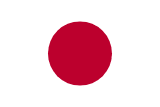
Japan
Tokyo · Asia
Geography
Japan is an archipelago of four main islands—Honshu, Hokkaido, Kyushu, and Shikoku—plus thousands of smaller ones. Mountains, forests, and coasts shape life; the Pacific side sees earthquakes, tsunami risk, and summer typhoons.
Details
History
From early court culture and samurai-led shogunates through isolation, rapid 19th-century modernization, empire, and defeat in 1945, Japan rebuilt as a constitutional democracy with strong U.S. ties and export-led growth.
Tokugawa shogunate
Perry expeditions
Meiji Restoration
Meiji Constitution
End of World War II
Postwar Constitution
San Francisco Peace Treaty
Great East Japan Earthquake
Details
Economy
A major advanced economy known for vehicles, machinery, electronics, and precision tools, with significant robotics and automation. Demographic aging and yen moves strongly shape growth and policy.
Details
Culture
Washoku and everyday staples (rice, miso, noodles, bento) sit beside seasonal festivals, classical arts, and baseball and sumo—alongside manga, anime, and global pop culture from Japan.
Food
Home cooking and convenience-store meals are central; sushi, sashimi, ramen, tempura, udon/soba, okonomiyaki, and katsu reflect regional styles (e.g. Fukuoka tonkotsu, Sapporo miso ramen). Tea (matcha in ceremony, bottled green tea daily), sake and shōchū, and izakaya-style shared plates shape social eating.
Traditions
Cherry-blossom viewing (hanami), Golden Week travel, Obon (ancestor remembrance, Bon dances), Shōgatsu New Year rituals, and countless local matsuri with portable shrines (mikoshi) and summer fireworks.
Arts & media
Tea ceremony (chadō), ikebana, Zen gardens, kabuki and noh theatre, pottery (e.g. Arita, Bizen), lacquer, and washi paper; many traditions are UNESCO-listed alongside washoku.
Sports & pastimes
Professional baseball draws huge crowds; sumo retains ritual prestige; football and volleyball are widely played; public baths (sentō) and hot springs (onsen) remain part of leisure and travel.
Modern culture
Manga, anime, light novels, video games, and J-pop/J-rock export worldwide while blending with traditional aesthetics in design and festivals.
Details
Government
Japan is a unitary parliamentary constitutional monarchy. National statutes define local government: executive power sits with the prime minister and cabinet, accountable to the elected Diet, while the emperor is head of state without governing authority. Prefectures and municipalities deliver regional and local services within this national legal framework.
Details
Visitor info
JR Pass can pay off for long-distance rail; IC cards (Suica, ICOCA, etc.) cover most urban transit. Tipping is uncommon. Cash is still widely used outside major chains.
Entry & visas
Visa requirements and permitted stay lengths vary by nationality; check current rules with the Ministry of Foreign Affairs or your nearest Japanese embassy. Passports are often required to be valid for the whole visit; arrival forms may be completed digitally (e.g. Visit Japan Web) depending on procedure at the time.
Money & payments
Cash remains common outside large chains and cities; international cards usually work at major ATMs (e.g. in convenience stores and post offices). Tipping is not customary and can confuse staff; consumption tax is usually included or shown clearly at payment.
Transport
Shinkansen and limited expresses link major cities; a JR Pass can pay off for multi-leg trips but compare single tickets. IC cards (Suica, PASMO, ICOCA, etc.) simplify subways, buses, and many regional lines. Highway buses and domestic flights help long distances; luggage courier (takkyubin) is popular between hotels. Driving requires a valid license and often an International Driving Permit for short visits.
Connectivity
Pocket Wi‑Fi routers and prepaid/tourist eSIMs are widely rented or sold at airports; major stations and chains offer free Wi‑Fi. Download offline maps and translation apps for rural areas.
Health & safety
Healthcare quality is high but can be expensive without travel insurance. Emergency numbers: 110 for police, 119 for ambulance/fire. Learn basic earthquake and tsunami response (alerts, evacuation areas); typhoon season can disrupt travel in summer and autumn.
Etiquette
Speak quietly on trains; line up where marked; remove shoes when entering homes, many ryokan, and temple inner areas. In onsen, wash completely before entering the bath and keep hair out of the water; tattoos may be restricted at some baths. Eating while walking is often avoided; carry litter back to your hotel if bins are scarce.
Details
Fun facts
- Japan’s nominal GDP: top-tier worldwide
Japan has long ranked near the top globally by nominal GDP, with strengths in manufacturing, precision industry, and technology exports. (Rankings shift by year and measure.)
- Tokyo Skytree: 634m height fact
At 634 m, the Tokyo Skytree is one of the world’s tallest freestanding towers and a major broadcast and observation landmark—not the same category as the tallest skyscrapers elsewhere.