Country Spotlight
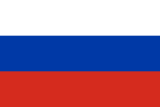
Russia
Moscow · Europe
Geography
Russia spans Eastern Europe and northern Asia, with tundra and taiga across Siberia, the Ural Mountains dividing Europe and Asia, the Volga basin draining to the Caspian, and the Caucasus in the south. Lake Baikal and Arctic seas shape its extremes, while Pacific ports like Vladivostok connect Russia to Asia’s maritime trade.
Details
History
Russia’s story runs from early East Slavic states through Mongol-era upheavals and the rise of Moscow, expanding into an imperial power across Eurasia. The 20th century brought revolution, the creation of the USSR, World War II, and the long Cold War. After the Soviet collapse, Russia underwent rapid political and economic transformation and re-centered power under strong state leadership.
Varangian-era beginnings
Mongol conquest era
End of Mongol dominance
Imperial transformation under Peter the Great
Revolutions
World War II on the Eastern Front
Soviet Union dissolves
New constitution
Details
Economy
Russia’s economy is shaped by energy resources (oil and natural gas), large-scale industry, and important agricultural areas. State capacity and resource exports strongly influence growth, while currency and sanction pressures can affect trade and investment. Technology access and demographic trends remain persistent long-term themes.
Details
Culture
Russian culture blends deep literary traditions, classical music and ballet, and distinct regional cuisines built around cold-weather staples. Icons, Orthodox Christian heritage, and Soviet-era artistic legacies coexist with modern pop culture, tech-savvy youth scenes, and a wide variety of ethnic traditions across a vast country.
Food
Borscht, pelmeni (dumplings), blini, caviar and zakuski tables, and preserved foods like pickles and smoked items; dacha gardening influences seasonal cooking.
Traditions
Maslenitsa pancake week, winter holiday traditions (New Year and Orthodox observances), family gatherings, and the dacha culture of seasonal rituals.
Arts & media
Russian literature (Dostoevsky, Tolstoy), classical music and ballet, major theater and cinema traditions, and regional folk arts.
Sports & pastimes
Ice hockey, figure skating, winter recreation, and major domestic and international football followings.
Modern culture
Online creators, streaming and gaming, a renewed focus on regional identity in music and film, and public debate shaped by changing domestic and global realities.
Details
Government
The Russian Federation is a federal semi-presidential republic that is highly centralized around national leadership. A federal parliament (State Duma and the Federation Council) sets major legislation while the executive branch manages policy and national administration. The country is organized into federal subjects with their own local governance structures, but national law and oversight strongly shape policy delivery.
Details
Visitor info
Visa and entry rules can change by nationality, so always verify the latest requirements before travel. Distances are huge—plan routes with flight and train schedules—and expect that cash and local payment rules may differ from what you’re used to at home.
Entry & visas
Visa requirements vary widely—check the official immigration guidance for your nationality before booking. Ensure passport validity covers the entire trip and keep your itinerary and addresses ready for forms.
Money & payments
Prices and payment options can differ by region. Cash is often helpful for small shops, kiosks, and some transport purchases. For cards, check with your bank and confirm acceptance at the venues you plan to visit.
Transport
For long-distance travel, trains and domestic flights are both common. In cities, metros and large bus networks make navigating feasible even when distances are large. For rural trips, plan for limited schedules and weather-related delays.
Connectivity
Prepaid and local SIM options are commonly available in major cities; internet availability improves in urban areas. Download offline maps and translation aids before going to remote regions.
Health & safety
Emergency services often route through the national emergency number (commonly 112). Medical care in major cities can be strong, but costs can be high without insurance. Winter weather can be severe, so plan clothing and travel buffers to avoid exposure.
Etiquette
Be respectful in churches and other religious spaces (dress and behavior may be more formal). People often queue carefully in public places. Public displays of anger can attract unwanted attention—remain calm and follow local guidance.
Details
Fun facts
- Russia’s time zones: planning feels wild
Russia spans multiple time zones, which can make planning flights and long train routes feel like crossing different “clock realities” within the same country.
- Baikal’s depth: one of Earth’s deepest lakes
Baikal is among the world’s deepest lakes and holds a major share of the planet’s fresh water, influencing regional climate and ecosystems.